
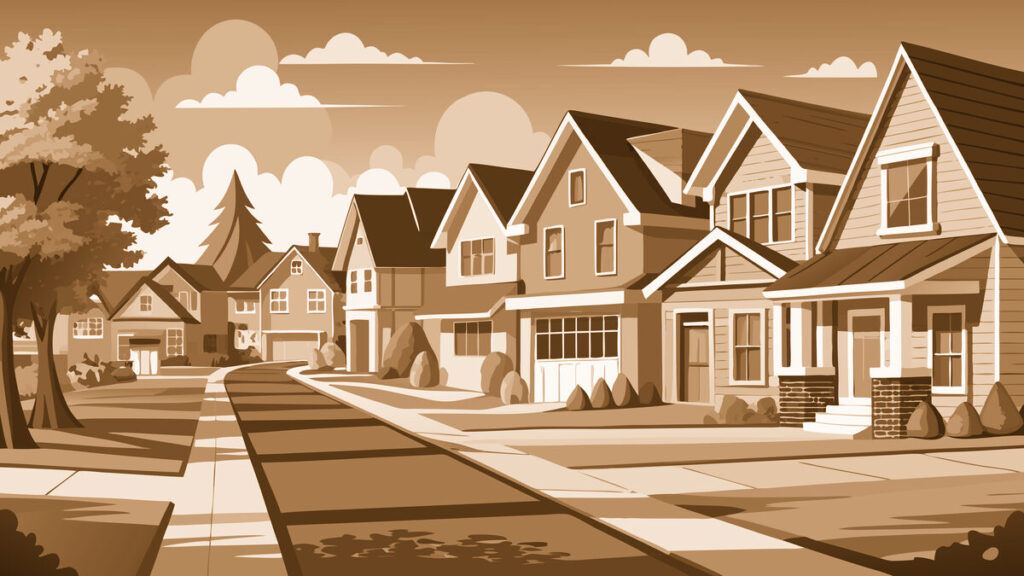
Nestled just west of Foothill Expressway and north of Fremont Avenue, the Highlands of Los Altos is more than just a peaceful, tree-lined neighborhood—it's a place with a story to tell. For residents and curious visitors alike, understanding the roots of this beloved enclave adds new layers of appreciation to its quiet streets and welcoming faces. In this article, we’ll journey through the Highlands’ fascinating past, explore key landmarks, and discover how its unique character has flourished through the decades.
Origins: Ranchland to Residential
Long before the Highlands was a residential neighborhood, its gently rolling landscape was blanketed by orchards, ranches, and open fields. In the early 20th century, much of what would become Los Altos—and the Highlands in particular—was agricultural land, dotted with apricot, cherry, and plum trees. Farmers owned large parcels, many stretching from El Monte Road into the foothills, supporting the valley’s reputation as California’s “Valley of Heart’s Delight.”
The transformation began after World War II, when the explosive growth of the San Francisco Peninsula led developers to seek out prime sites for new suburban communities. The Highlands, with its gentle elevation on the edge of Los Altos, was a natural fit for those dreaming of leafy lanes, backyard gardens, and views stretching to the Bay.
How the Highlands Got Its Name
The name “Highlands” was chosen during the early stages of development in the 1950s. The area’s slightly higher elevation compared to the surrounding terrain inspired the moniker—which also invoked a sense of exclusivity and tranquility. Marketing materials at the time played up the serene hillside atmosphere, attracting families eager for a break from the denser urban settings of San Francisco and San Jose.
The name has stuck ever since, and today the word “Highlands” still carries connotations of neighborly warmth and natural beauty.
Key Historical Milestones
- 1952–1955: The Highlands Subdivision Is Born
The earliest homes in the Highlands were built in the early to mid-1950s, with developers emphasizing ranch-style architecture. These spacious, single-story homes defined the neighborhood’s original character. The main arteries—such as Highlands Circle, West Loyola Drive, and Mora Drive—became the backbone of the community.
- Community Clubs and the Rise of Neighborhood Spirit
By the late 1950s, families sought ways to build a tight-knit community. The Highlands Neighborhood Association was founded, helping coordinate social gatherings, pool parties, and holiday celebrations. This spirit of camaraderie remains central, even as the neighborhood has changed.
- Establishment of Highlands Elementary School (1962)
With the boom in postwar families came the need for excellent schools. Highlands Elementary, on Oak Avenue, quickly became a focal point—not just for children’s education, but also as a gathering place for community events and meetings.
Notable Landmarks and Charming Corners
While the Highlands is primarily residential, there are a few notable places that give it a strong sense of place:
- Highlands Park
On the corner of Highlands Circle and Northcrest Drive is Highlands Park, a beloved community space. With play structures, picnic tables, rolling lawns, and walking paths, it’s the heartbeat of neighborhood activity. On any given weekend, you’ll spot little league games, birthday parties, or residents enjoying a stroll beneath mature oaks.
- Highlands Community Pool
Just steps from the park, the community pool is a summer staple for many residents. For over half a century, it’s offered swim lessons, team meets, and a place to cool off on hot Los Altos afternoons.
- Highlands Elementary School
Beyond its academic excellence, the school is known for its family fairs, seasonal performances, and the colorful murals painted by students over the decades.
- Historic Homes
Scattered throughout the neighborhood, especially on streets like Arboleda Drive and St. Joseph Avenue, you’ll find original ranch homes built in the 1950s. Though many have been tastefully expanded or renovated, a walk down these peaceful streets still offers glimpses of classic mid-century California design.
The Highlands Through the Decades
The 1960s and 70s saw the neighborhood truly come into its own, as gardens flourished and children’s laughter echoed from the park. Homeowners established traditions still honored today, such as Halloween parades and the annual Fourth of July picnic in Highlands Park.
In the 1980s and 90s, as Silicon Valley grew, the character of the Highlands gently evolved. New families moved in, drawn by the area’s quiet charm, access to excellent schools, and proximity to jobs throughout the Peninsula. Irreplaceable greenbelts and mature trees lent the Highlands a timeless feel, even as technology reshaped the world outside.
Today, as you wander along Arbutus Avenue or pause beneath a sycamore on Mora Drive, you’ll notice a blend of the old and new—original homeowners mixing with younger families, classic ranches side-by-side with thoughtful modern renovations. The essence of the Highlands remains: a commitment to community, respect for the landscape, and pride in a shared heritage.
The Heart of Community
What truly sets the Highlands apart isn’t just its leafy streets or its storied past—it’s the neighborly spirit that has persisted for over seventy years. In an era of rapid change and urbanization, the Highlands has maintained a sense of belonging, where people slow down to wave hello and children walk together to school beneath shady trees.
Annual gatherings in Highlands Park remind everyone of the simple joys of togetherness—potlucks, movie nights under the stars, and impromptu block parties.
The Highlands Neighborhood Association continues its mission, advocating for local interests and promoting the kind of warm, considerate engagement that has defined the area for generations.
Looking Ahead
As Los Altos—and the Highlands—face a future shaped by growth and modernization, longtime residents and new arrivals alike are committed to preserving what makes this corner of the Peninsula so special. With its strong roots, welcoming atmosphere, and vibrant community life, the Highlands is more than a place on the map. It’s a living heritage, a sanctuary, and a beloved home.
Whether you’re visiting for the first time or reminiscing about your own childhood here, the Highlands of Los Altos invites you to slow down, look around, and savor the stories that have shaped this cherished neighborhood.